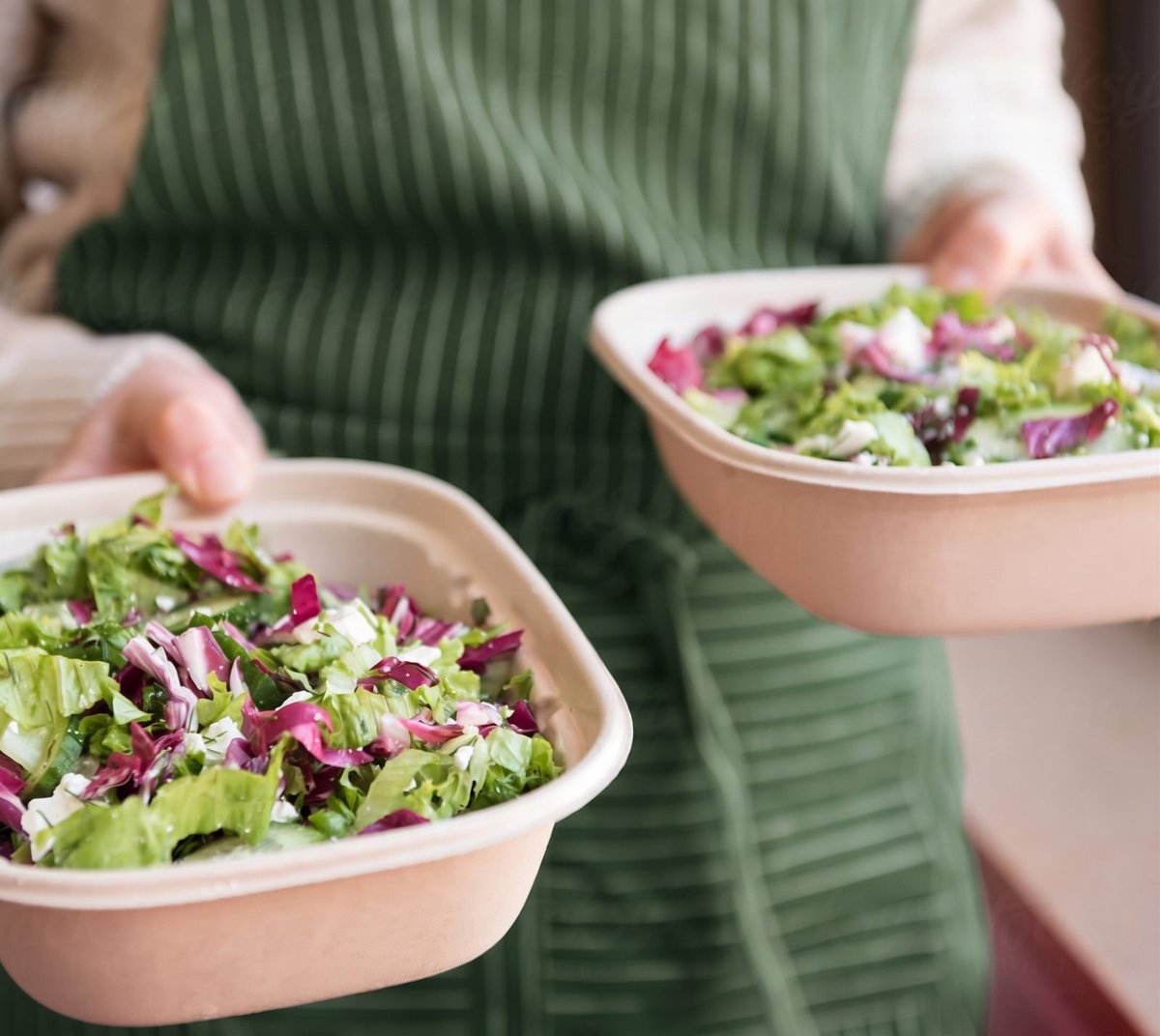
Less carbon. Less waste.
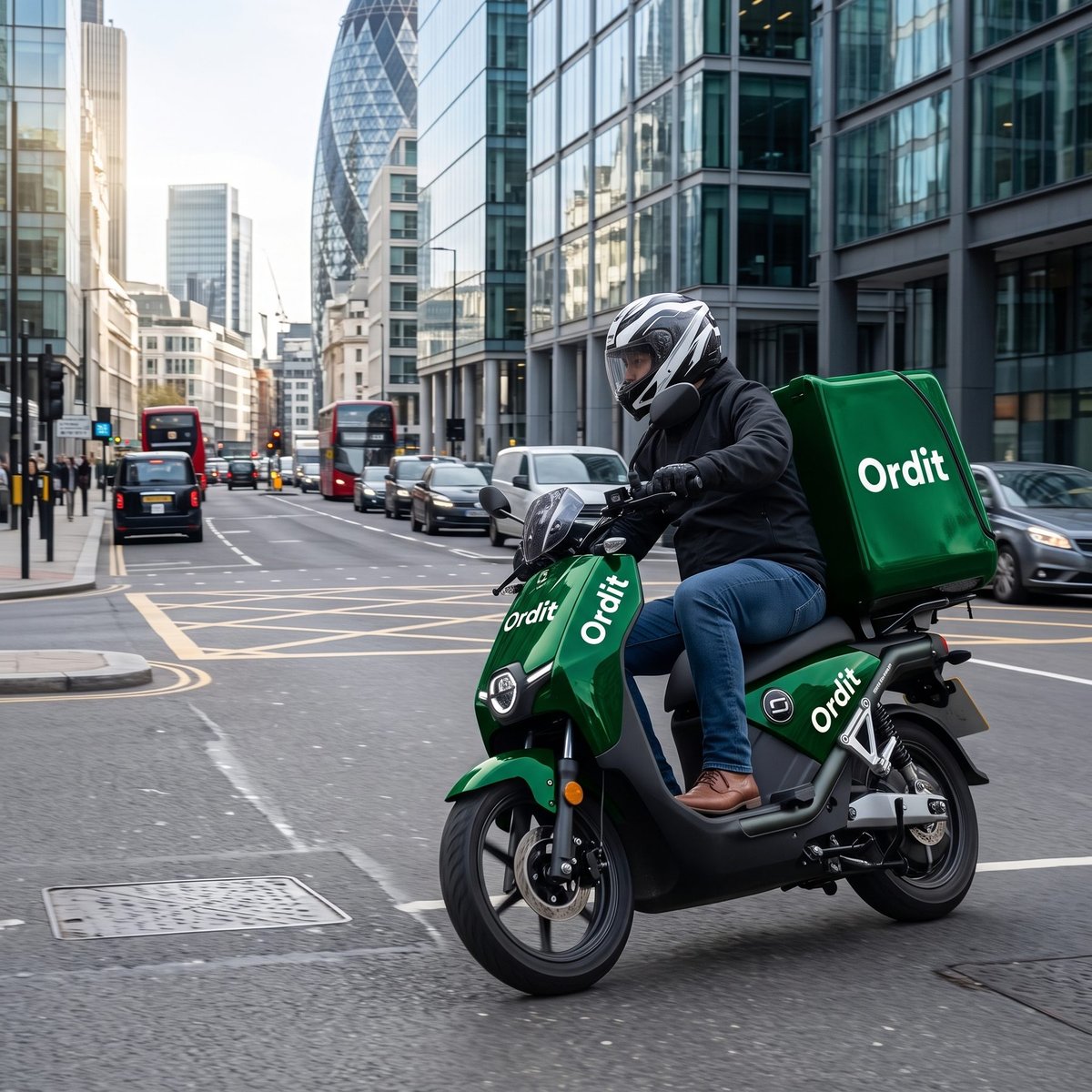
Office food wastes two things: the journey it travels on, and the portion nobody eats. Ordit works on both. Most orders arrive by e-bike, electric cargo bike or pushbike, and that bike fleet avoided 27 tonnes of CO2 versus diesel vans between Q1 2025 and Q2 2026. Every meal is cooked against an order that already exists, so nothing is made on a guess.
Our priorities
Where office food actually costs the planet
Two of these Ordit controls directly, and the third it sets as a standard for the restaurants it works with.
Reduce delivery emissions
Most orders arrive by e-bike, electric cargo bike or pushbike, and a group order is batched into one run instead of fifty separate journeys.
Reduce food waste
Every meal is cooked against an order that already exists. Nothing is made on a guess at how many people will turn up.
Reduce packaging waste
Ordit works with its food partners to keep packaging recyclable or compostable wherever the format allows.
Reducing emissions from delivery
Measured per kilometre, vehicle by vehicle
The numbers come from Ordit's own fleet report, vehicle by vehicle, against a 254.76g CO2/km diesel van benchmark. They cover the bike fleet only.
89% less CO2
Per kilometre versus diesel delivery vans — measured across our bike fleet, not a marketing estimate.
27 tonnes saved
CO2 avoided versus diesel vans between Q1 2025 and Q2 2026, against just 3,293kg emitted by our bike fleet.
25–31g CO2/km
Pushbikes at 25.5g, e-bikes at 26.9g, electric cargo bikes at 30.9g — versus 254.8g for a diesel van.
Batched by design
One cargo bike carries a whole team’s group order in a single run — group orders mean fewer journeys per lunch, not more.
What the bike fleet delivers
Three figures from our own fleet report: less carbon, real tonnes avoided, and lunch that still arrives fast.
-89%
Bike fleet
89% less CO2 than a diesel van
Measured per kilometre across the bike fleet: pushbikes, e-bikes and electric cargo bikes.
27 t
Carbon avoided
27 tonnes of CO2 avoided in 18 months
Between Q1 2025 and Q2 2026, against just 3,293kg emitted by the bike fleet in the same period.
30 min
Still faster
Delivery to the desk in 30 minutes
Bikes beat vans through Central London at lunchtime, so the greener option is also the quicker one.
Office food has waste built into it
Third-party figures for the UK sector, not Ordit measurements. They describe the problem the ordering model has to solve.
1 in 6
WRAP
One in six meals served is thrown away
UK hospitality and food service wastes 920,000 tonnes of food a year, equal to 1.3 billion meals out of the 8 billion served. WRAP.
75%
Avoidable
Three quarters of it could have been eaten
WRAP finds 75% of that waste is avoidable: it was still fit to eat when it was thrown out.
15-20%
Per event
What the average corporate event bins
Research by Lime Venue Portfolio puts the share of food produced for the average event that ends up wasted at 15 to 20%.

Reducing food waste
Four ways the model removes the guess
None of these is a programme bolted on afterwards. They follow from ordering food the way Ordit does it.
Cooked to order
A restaurant starts a meal when somebody orders it. There is no speculative batch sitting in the pass waiting for demand that may never arrive.
Every meal pre-selected
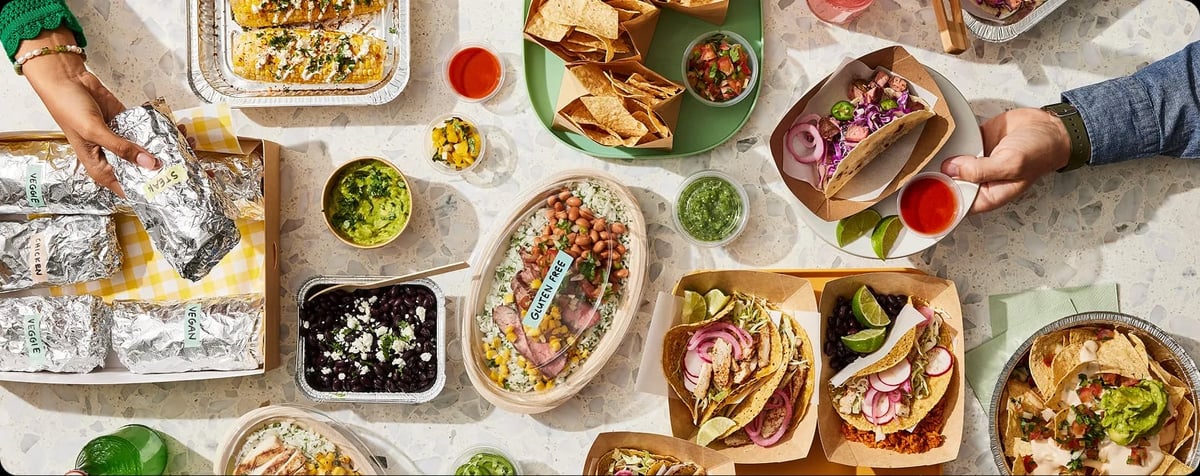
On a group order each person picks their own dish in advance and it arrives individually labelled. No shared trays, so nothing is left congealing at 2pm.
Catering to a real headcount
Office catering is ordered against a confirmed headcount and a budget per head, not a room-sized estimate with a safety margin piled on top.
Unspent budget buys nothing
A meal budget nobody uses produces no food and costs nothing. A standing catering contract bills for the trays whether the team turns up or not.
Sustainability FAQs