
Planning an Office Catering Budget Finance Will Approve
How to plan an office catering budget in London: cost per head from dated partner menus, catering and group delivery fees, and a worked annual forecast.
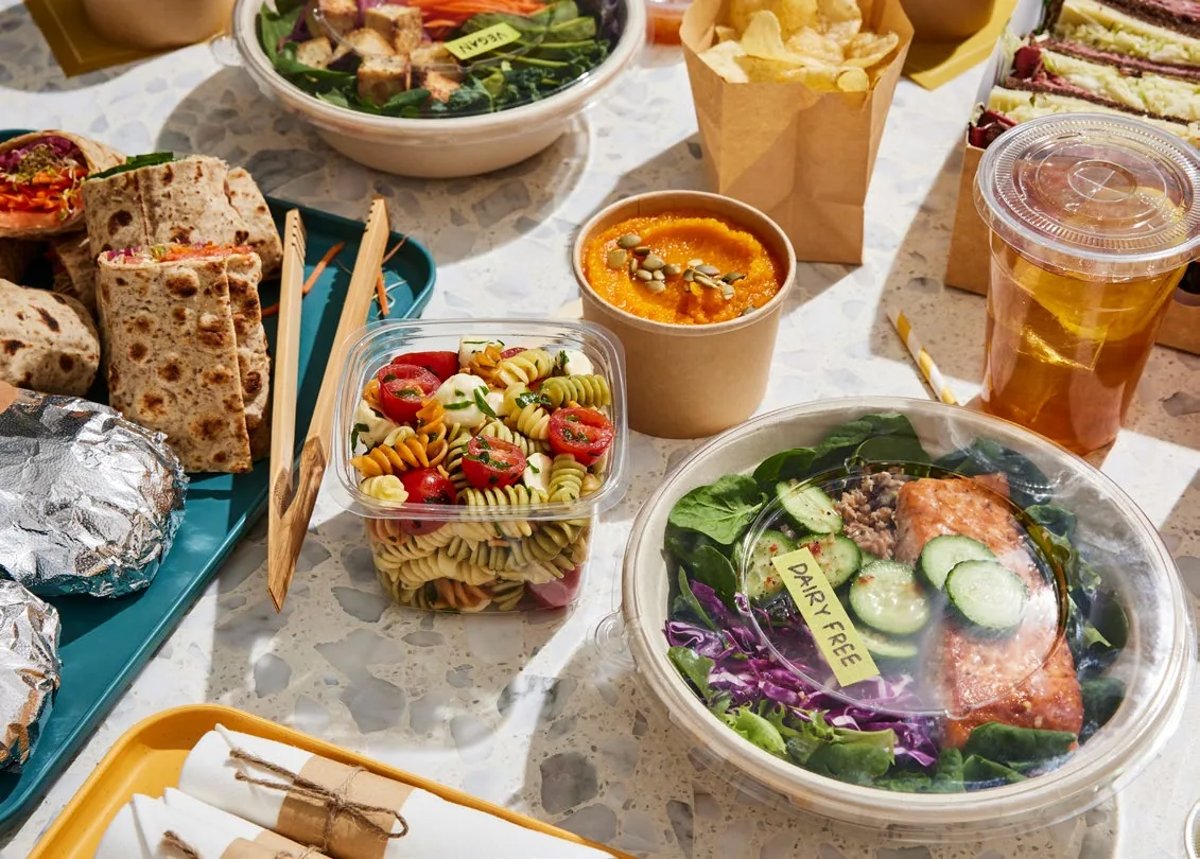
An office catering budget is the cost per head of each occasion, multiplied by headcount and frequency, plus delivery and service fees. For a hypothetical 120-person London office with 144 catered occasions a year, the worked example below comes to £91,066.72, with Ordit's published fees: £15 + VAT per catering delivery and a 5% + VAT service fee on the total monthly spend, both counted with VAT at 20%.
Finance teams reject estimates they cannot check, not catering itself. This guide builds the budget the way finance wants to read it: cost per head from dated menus, the costs that are easy to miss, a worked annual forecast, and the controls that keep actual spend on plan.
Start with cost per head, not total spend
Every defensible catering budget is built from one unit: cost per head per occasion. The examples below are menu prices on Ordit partner menus; menu prices include VAT. Prices checked on 18 November 2026.
| Format | Example on an Ordit partner menu | About per head | Typical occasion |
|---|---|---|---|
| Breakfast | Coco di Mama Hot Breakfast Bacon Baguette Platter, £38.45, serves 6 | £6.41 | Early meetings, training days |
| Working lunch (sandwich platter) | Route Catering Meat Sandwich Wrap Platter, £46.75, serves 6 | £7.79 | Internal meetings |
| Individually boxed lunch | Owen Brothers bento boxes: vegan quinoa from £12.54, smoked salmon with egg £17.58 | £12.54 to £17.58 | Client sessions, mixed-diet groups |
| Sharing feast | atis catering The Chicken Feast, £230, serves 10 to 12 | £19 to £23 | All-hands, team days |
| Hot fork buffet | Owen Brothers hot fork buffet menus, minimum 12 people | Mostly £25.62 to £34.60 | Celebrations, team days |
| Premium individual lunch | Ottolenghi roasted chicken with citrus harissa plus two salads | £29.90 | Board and client lunches |
| Office pop-up | Route Catering Hot Mediterranean Pop Up, minimum 50 | £21.95 | Events, milestones |
Check what each item serves before comparing: a platter's price divided by its stated servings gives the figure finance can compare. The office catering guide has more formats and order deadlines.
The costs that are easy to miss
Food is the largest line, but four other lines decide whether the estimate holds.
Delivery fees. On Ordit, a catering order carries a flat £15 + VAT, whatever its size, and a group order, where each person picks their own meal, is £15 + VAT per restaurant. Flat rates let finance budget one delivery line per occasion.
What the delivery line pays for
Ordit runs its own delivery fleet, so the catering delivery line pays for a delivery Ordit controls from the kitchen to the office. Each order arrives accurate to the item. Ordit's on-time delivery guarantee is part of every catering order. Employees on a meal budget can order meals delivered in around 30 minutes. See Ordit catering pricing or book a demo.
Service fees. Ask every provider for its fee in writing and put it in the budget. Ordit's is 5% + VAT on the total monthly spend, food and delivery together, applied on the invoice rather than per order, so a month with no orders carries no fee.
Admin time. An office manager who spends time collecting orders, chasing dietary requirements and reconciling receipts is a real cost. As an adjustable assumption, three hours a week at £25 an hour over 46 working weeks is £3,450 a year. One account with one monthly invoice reduces that line.
Waste and no-shows. Shared formats are ordered for the expected headcount, so absences become waste. Measure it for a month: compare the portions ordered with the people who ate, then set the next quarter's headcount assumption from that figure.
The budget framework
The calculation finance wants to see:
Annual budget = Σ (occasions × average headcount × cost per head) + delivery + service fee
A worked example for a hypothetical 120-person London office. The cost per head on each line is a planning assumption close to the menu examples above; adjust it to the menus the office actually chooses. It assumes one catering delivery per occasion. Food lines are at menu price; Ordit's delivery and service fees are shown with VAT at 20% included.
| Line | Calculation | Annual |
|---|---|---|
| Weekly team lunch (individually boxed) | 48 weeks × 60 people × £14 | £40,320 |
| Monthly all-hands (sharing feasts) | 12 × 100 people × £18 | £21,600 |
| Client meetings (boxed working lunch) | 80 × 10 people × £13 | £10,400 |
| Quarterly social (office pop-up) | 4 × 110 people × £25 | £11,000 |
| Food subtotal | 144 occasions | £83,320 |
| Catering delivery | 144 orders × £15 + VAT (£18 with VAT) | £2,592 |
| Service fee | 6% (5% + VAT) of £85,912, food and delivery | £5,154.72 |
| Total | £91,066.72 |
Ordit's pricing page describes the service fee as 5% + VAT on the total monthly spend, so the example applies it to food and delivery together.
If the weekly lunch runs as a group order. Each person then chooses their own meal, and delivery is £15 + VAT per restaurant. From two restaurants each week, that line's delivery is 48 × 2 × £15 = £1,440 + VAT (£1,728 with VAT at 20%), instead of 48 × £15 = £720 + VAT (£864 with VAT) for one catering order a week.
Budgeted versus actual attendees. Track cost per attendee, not just cost per head budgeted. If 52 of the 60 budgeted people attend the weekly lunch, a shared format ordered for 60 costs about £16.15 per attendee (£14 × 60 ÷ 52). With a group order, each attendee orders their own meal, so the line falls to 48 × 52 × £14 = £34,944 at the same price per meal.
Round the total, present the table, and the question changes from "why so much?" to "which lines move?". That means finance is editing the plan, not rejecting it.
This budget is not a daily individual meal benefit. That is a separate programme with its own budget and its own tax treatment, covered in the employee meal programmes guide and the meal benefits tax guide. Keeping the two budgets separate makes both easier to approve.

What finance checks
Four questions come up in almost every approval, so build the answers in.
"What does this replace?" If catering replaces expensed client lunches at restaurants or an underused canteen contract, show the offset. Pull twelve months of food-related expense claims and put the total next to the forecast.
"How is spend controlled in-month?" With ad-hoc ordering, spend is often only visible at month end. The better answer: spend visible in the Admin Portal, and expense codes captured at checkout so orders land against the right cost centre without a claim form.
"What is the per-head trend?" Track cost per head per occasion type each quarter. It is the metric that catches drift: headcount creep at events, more expensive formats, the £14 lunch becoming £19.
"Who can spend?" Named bookers with per-person or per-event limits beat an open account.
Five ways to cut the budget without anyone noticing
- Use individual meals for recurring lunches where attendance varies, so the order follows the people who are in.
- Confirm headcount 24 hours before shared-format events. No-shows are the purest form of waste.
- Set a cap per occasion type, for example £14 for team lunches and £25 for client sessions, rather than approving each order.
- Consolidate providers. Every extra caterer is a separate invoice, reconciliation and negotiation. One platform with 300+ restaurants gives the variety without the extra suppliers.
- Put each occasion in one order. Each catering order carries one £15 + VAT delivery fee, so one order per meeting keeps the delivery line at its budgeted size.
Making the case in one page
The approval memo that works has four parts: the framework table above; the offset analysis, showing the scattered spend it consolidates; the controls, meaning visibility, expense codes and one monthly invoice with 30-day terms; and the per-head examples as an appendix. With every fee on Ordit's pricing page, there are no unknown lines left to challenge.
For the operational side, see the office catering guide for London and the guide to choosing office caterers. For how Ordit handles catering end to end, from boxed lunches to pop-ups for 50+ people, see office catering.
Ready to feed your team properly?
Join hundreds of London offices already using Ordit for individual meals, group orders, and catering.